Due to their fairly recent date, finding information about the properties in the 1930s development of Westgate, and the former industrial sites in the side streets, has proved a challenge. Except for the few that were built in earlier times. The censuses stop at 1921 and we have not trawled the electoral rolls for privacy… Continue reading The West End: who lived in your house?
Tag: Period/C20
The Parklands Estate
The Parklands Estate lies to the north of Westgate, bordering the back gardens of the houses on that side. It was built on farmland that had belonged to the church; indeed, the land sold in 1878 for the St Bartholomew’s vicarage, which became number 74, was owned by the Ecclesiastical Commissioners.
The other branch of the Shippam Family
In our article on nos. 27-39 Westgate, much space was given to the Shippam sausage and grocery business which occupied this site in the 19th century. This was not however the branch of the Shippam family of Shippam Pastes renown. That business was founded by a different member of the family but, confusingly with the… Continue reading The other branch of the Shippam Family
History of 23-25 Westgate
Along with no 25, no 23 is one of a pair of workman’s cottages Roy Morgan writes: “The house is recorded as far back as 1379 and is also mentioned in 1570. The pair of cottages are recorded in land tax records from 1780 and are shown on Gardner’s map of 1797”. No. 23 specifically… Continue reading History of 23-25 Westgate
1-5 Westgate as The Theological College
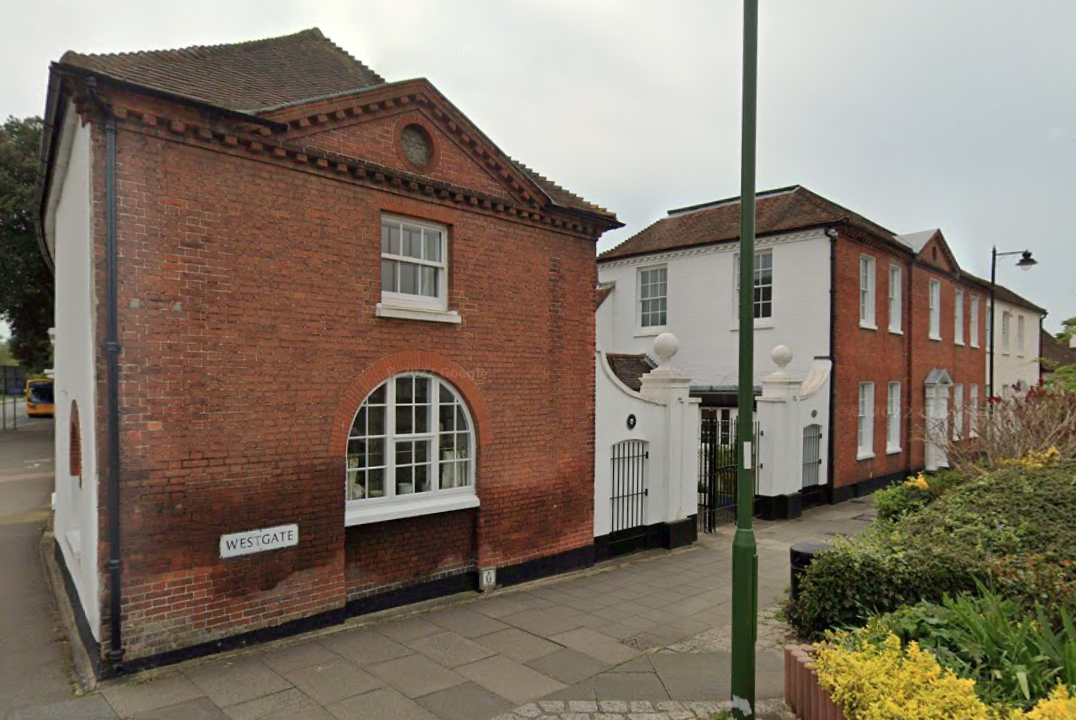
In 1936 the lease owned by the Church Commissioners for the buildings at the top of Westgate – which included the Coach House and stable yard as well as what is now no. 5 – were let to the Chichester Theological College. This whole block, renamed Marriot House, was used for accommodation with eighteen students… Continue reading 1-5 Westgate as The Theological College
History of 68 Westgate
These notes on the history of this property are by Anne Sparrow. Historic references are in bold to assist further research. “When we bought No. 68 Westgate, on the deeds it was noted that it was originally called ‘Westgate Close’ [also “Crantock” in Kelly’s directory 1938 – RNB]. The name appeared on the wooden gate… Continue reading History of 68 Westgate
History of 64 Westgate
Built about 1935 and originally called ‘Pantiles’, this property is situated on one of several parcels of land between Salthill Road and Westgate which had originally belonged to the brewer, George Henty. We have recorded elsewhere, that in 1780 the founder of the Brewery, William Humphrey (Snr), had bought land in Scuttery Fields (of which… Continue reading History of 64 Westgate
Hidden Westgate Histories 3: Five Good Sisters (updated)
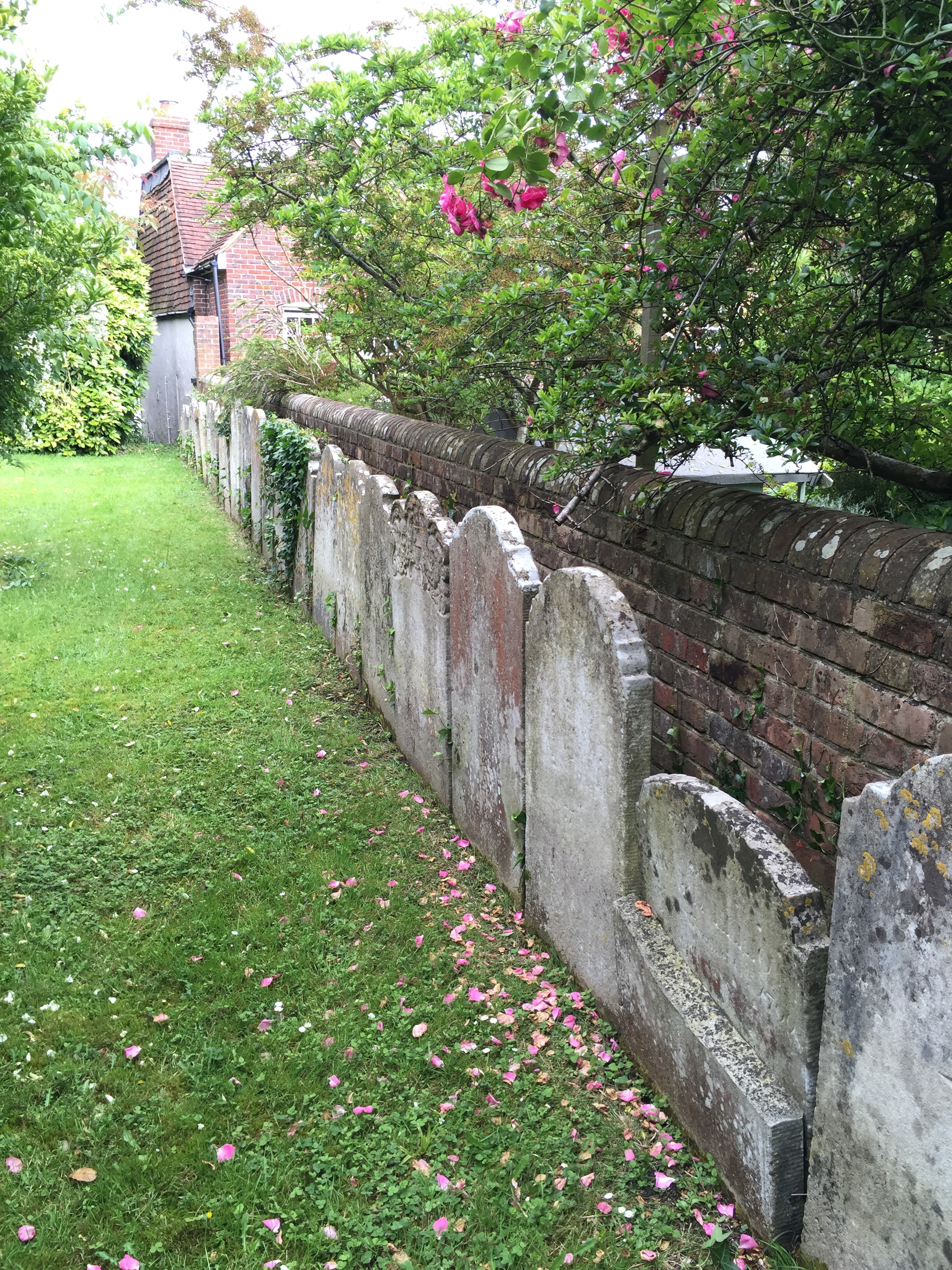
This article first appeared on 30 July 2016 as part of an occasional series of historical items that relate to Westgate and have been somehow Hidden from History. We are grateful to Westgate resident Rachel Moriarty for a host of new material which has resulted in this much expanded version (May 2017). Recently the church… Continue reading Hidden Westgate Histories 3: Five Good Sisters (updated)
Hidden Westgate Histories 6: The Powell & Moya Bungalows
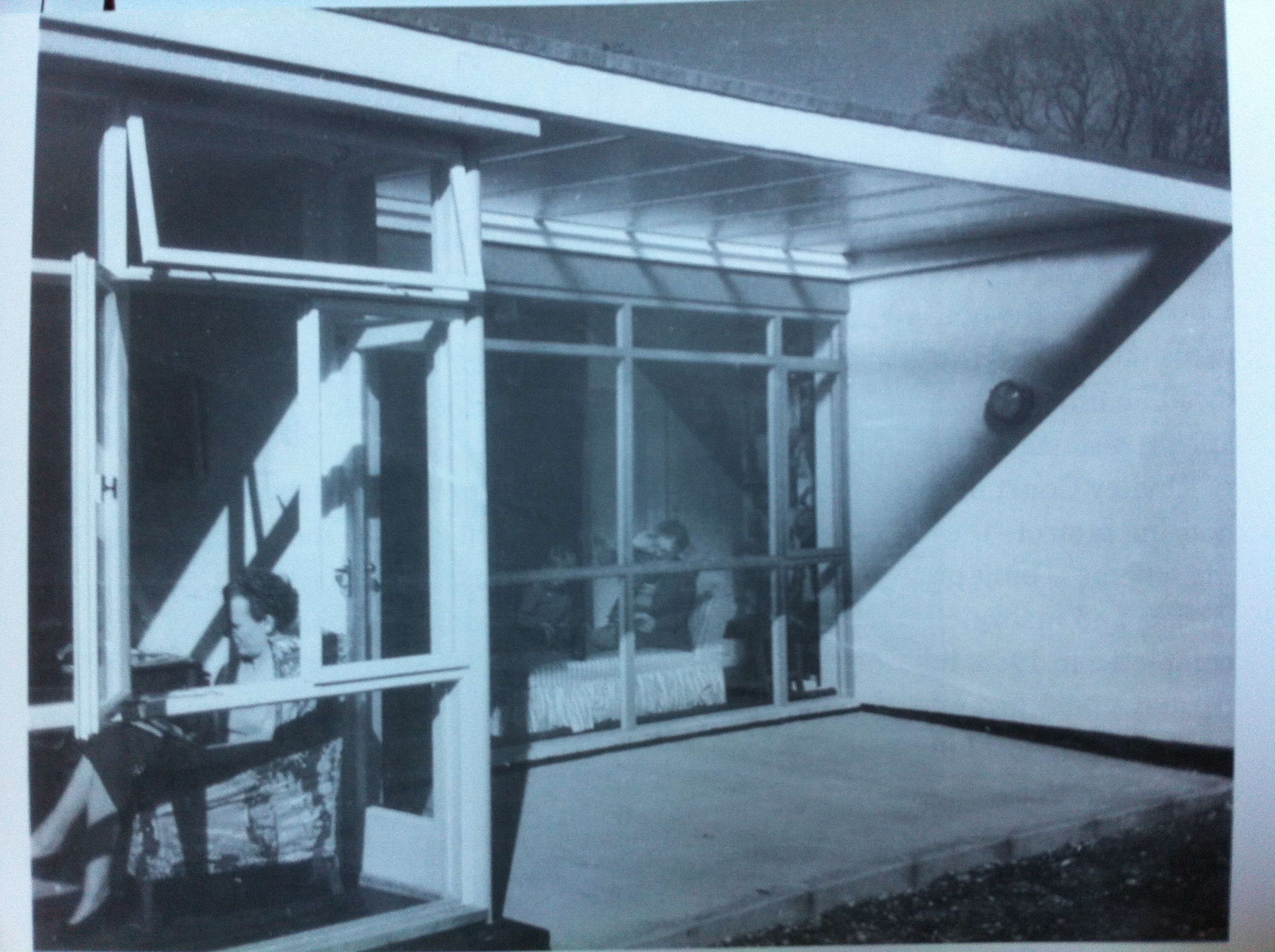
The eastern end of Westgate seems such a perfect Georgian enclave, yet who would have thought standing in the street today, that Mount Lane has contained iconic 20th century buildings and still has an interior by Eric Gill’s brother? Powell & Moya architects
Westgate’s K6 Telephone Box
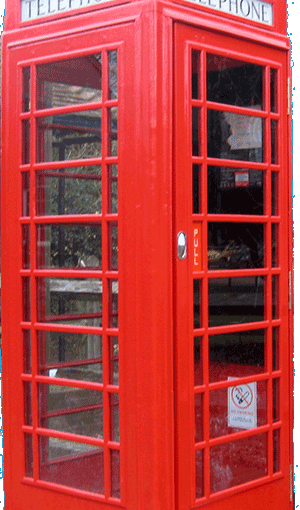
Did you know that the red telephone box on the corner of Parklands Road and Westgate is protected, and listed grade II? It was listed in July 1995 by Historic England, sixty years after it had been erected.