History of 20 Westgate

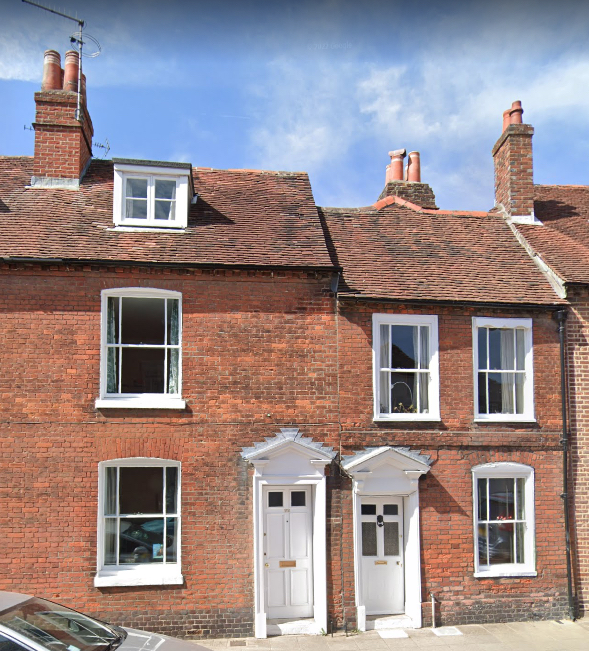
John Ogburn Holt Snr. had been born in Chichester on 9th April 1846 at 36 Westgate.

By 1891 he was living at number 20 (then 44). In the house with him were his wife Elizabeth also 45, and his children John Ogburn Jnr. (9), twins William George and Emma (3), and Lizzie Helen Mary (1). By 1901 he had moved to 9+11 Westgate over the road. 

Hidden Westgate Histories 9: Demolished properties Northside

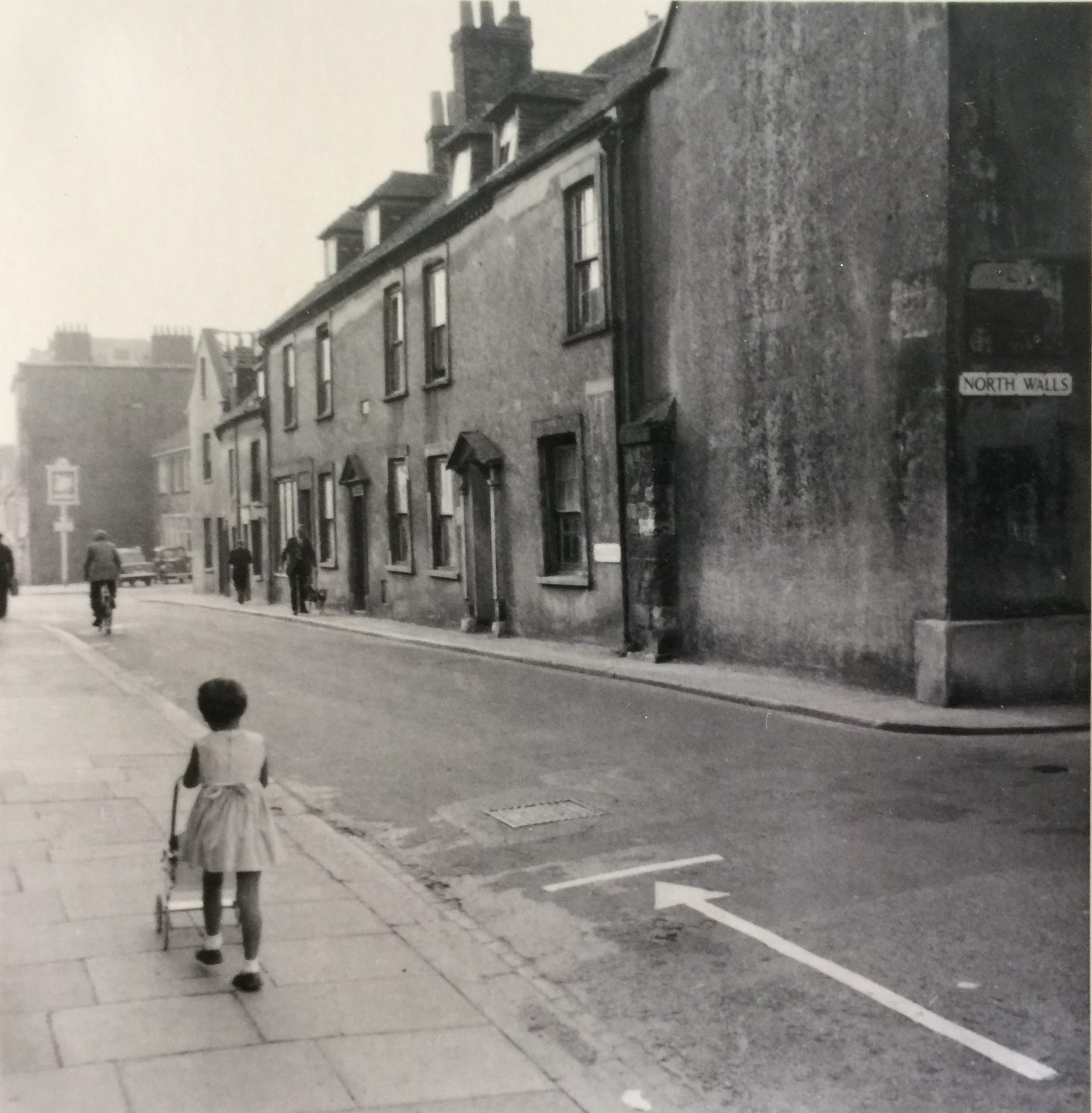
As detailed in Hidden Histories no 8, properties 2-10 were demolished in 1963

No.8. James JEFFERIES was a private, 2nd Battalion, The Royal Fusiliers. 29th Division when he was killed in action on 15.7.17. In 1911, he was living with his wife Sarah at no. 52 (old number, became 8, then demolished 1963) Westgate and employed as a Hopman at the Brewery. He is buried in the Bard Cottage Cemetery, Ypres, Belgium but memorialised on his wife Sarah’s gravestone, plot 15 in the churchyard of St James’ Church in Birdham. His name is on St Bartholomew’s war memorial. 

The Westgate Residents’ Association

Westgate is now a desirable place to live but this has not always been the case.

When it first started to form as a suburb outside the West Gate on the road to Fishbourne, St Bartholomew’s was a poor industrial area. The Fishbourne road developed into the main road along the coast to the west, known as the Portsmouth Road; and in 1762 the road became the Chichester to Cosham turnpike, which meant that it was a toll road and better maintained. 

A Chichester History 

Chichester is the only city in Sussex and owes its existence entirely to the Romans. There is no evidence of any form of a major settlement in the area before their arrival. The local iron age people lived in farmsteads rather than towns, although they were organised and there is evidence of considerable trade with the Mediterranean before the Roman invasion. In A.D. 40 Verica was their leader in the early part of the first century but lost control and fled to Rome to ask for support.

Westgate Timeline

43CE The Roman Second Legion land at Fishbourne and set up camp on the site which will become the palace of Togidubnus, vassal king of the Regni. Later they march inland under the command of Vespasian, probably along the track which was to become Westgate. They set up a winter camp on the flat plain just before the first undulations of the South Downs. They fortify the camp with a ditch, and an earth and wooden wall. 

Hidden Westgate Histories 1: St Sepulchre Round Church

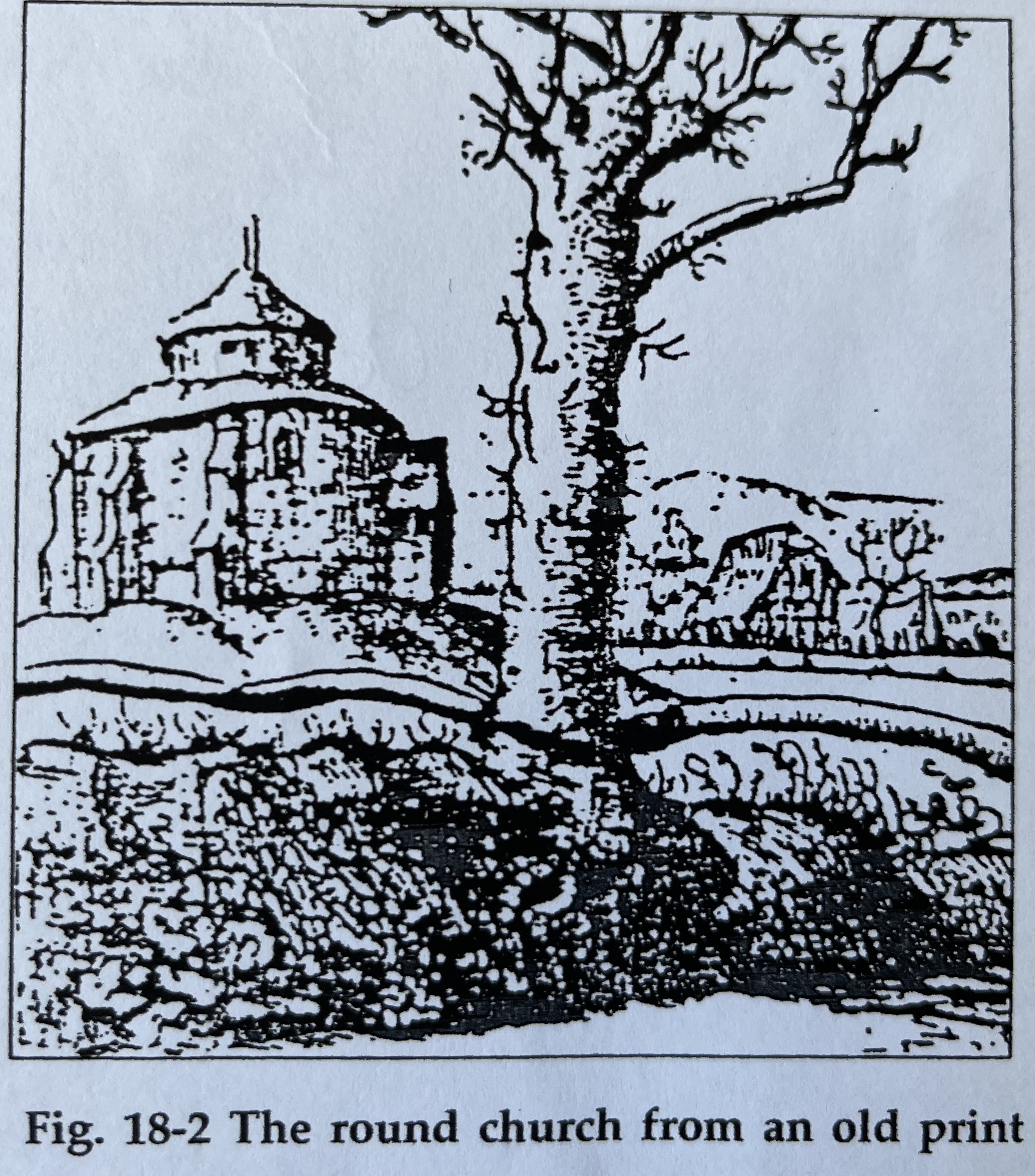
The current St Batholomew’s church in Mount Lane off Westgate is not the first church to have appeared on this site. The suburbs extra muros of St Pancras to the east and of St Sepulchre to the west date back to Roman times, both housing 3rd century cemeteries within their parishes, with the main one to the east (the Litton) in part where the modern Litten Gardens is on New Park Road. The remainder is under the New Park development and car park on the opposite (west) side of the road.

error: Content is protected !!