43CE The Roman Second Legion land at Fishbourne and set up camp on the site which will become the palace of Togidubnus, vassal king of the Regni. Later they march inland under the command of Vespasian, probably along the track which was to become Westgate. They set up a winter camp on the flat plain just before the first undulations of the South Downs. They fortify the camp with a ditch, and an earth and wooden wall.
Category: Historic
A deeper dive into the historical perspectives on our streets
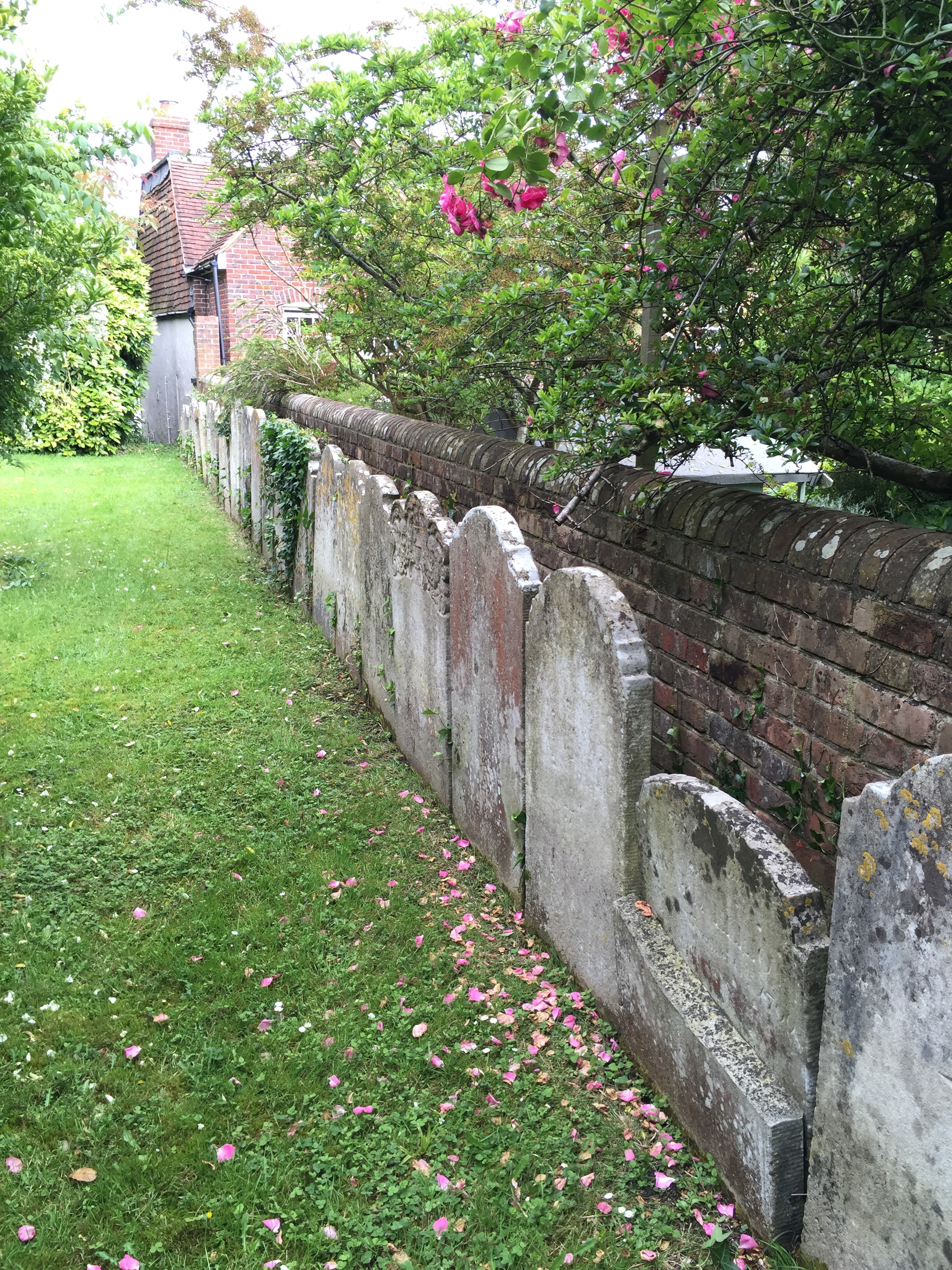
Hidden Westgate Histories 3: Five Good Sisters (updated)
This article first appeared on 30 July 2016 as part of an occasional series of historical items that relate to Westgate and have been somehow Hidden from History. We are grateful to Westgate resident Rachel Moriarty for a host of new material which has resulted in this much expanded version (May 2017). Recently the church has been sold to a private owner who has respected the graves but removed the crosses and the trees (2024).
Continue reading Hidden Westgate Histories 3: Five Good Sisters (updated)
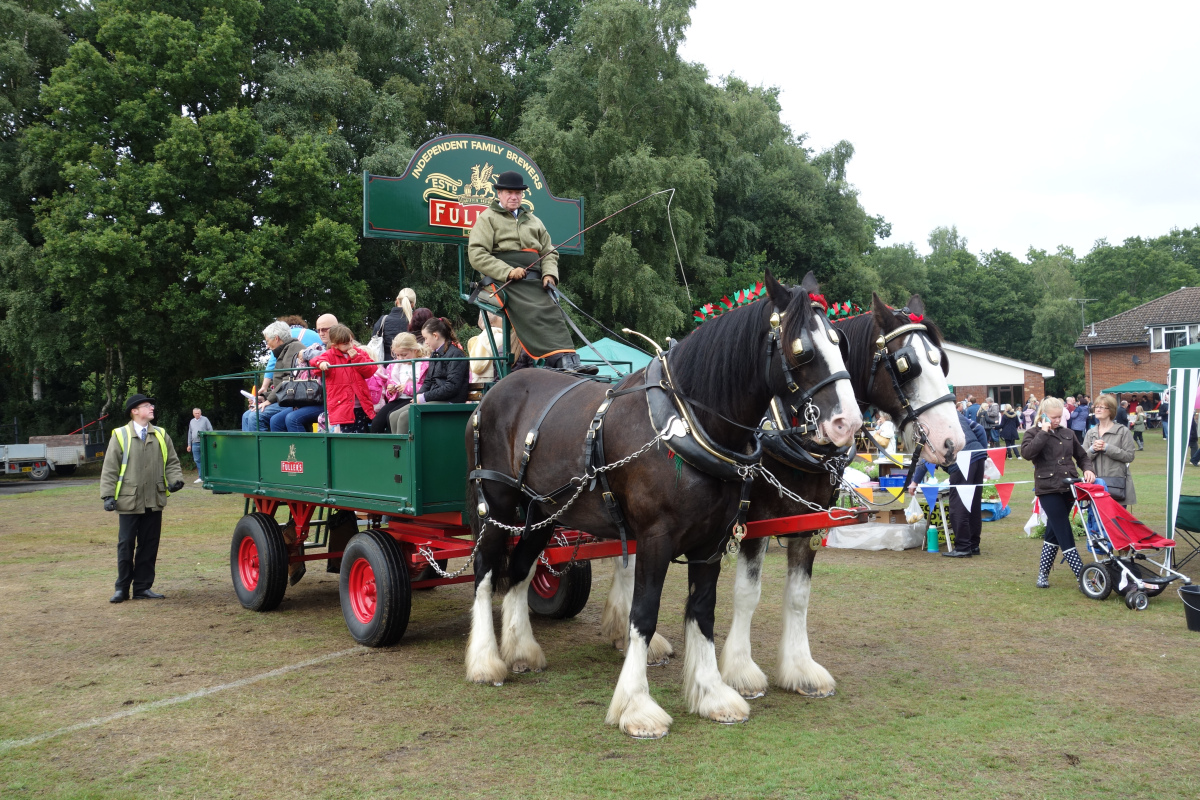
The Brewery Field in 2017
The History
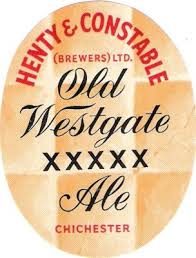 This field was part of the Westgate Brewery which produced beer for many inns and pubs across Sussex and East Hampshire from 1751 until it closed in 1954.
In 1827 it was taken over by the Henty family who went into partnership with George Constable in 1921. The brewery had been rebuilt in 1811 to become the largest in Chichester.
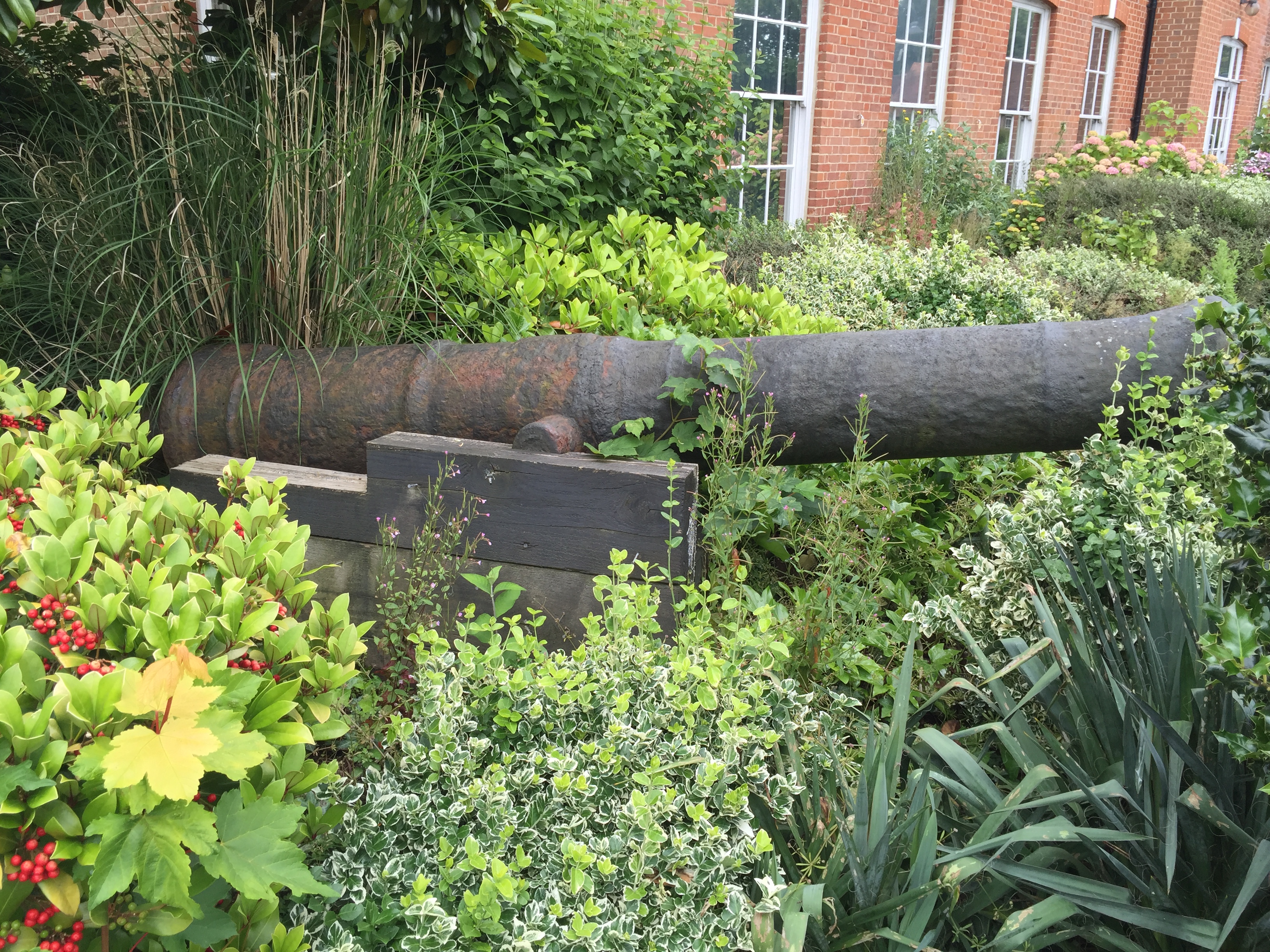
Hidden Westgate Histories 5: The Westgate Cannon (updated)
As many residents will know, Westgate, along with St Pancras, was part of the Parliamentary encampment during the brief siege of Chichester by Colonel William Waller at Christmastide in December 1642, the first year of the Civil War. Christmas 2022 marked the 380th anniversary of this event.
Continue reading Hidden Westgate Histories 5: The Westgate Cannon (updated)
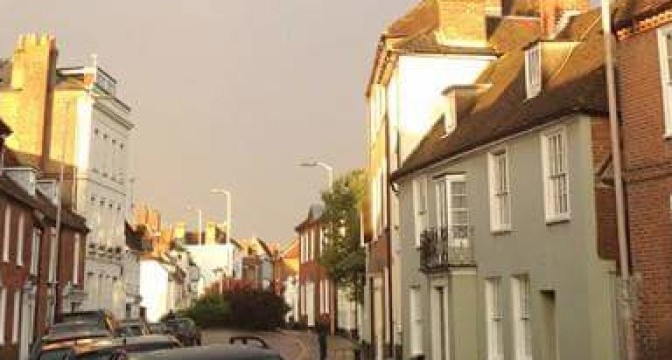
The Road we call Westgate (updated)

Westgate is so named as it is the road that left Chichester by the West Gate, an encumbrance to traffic which was demolished in 1773 except for the south pillar which is still standing, complete with hinge, to the left of the Indian Restaurant.
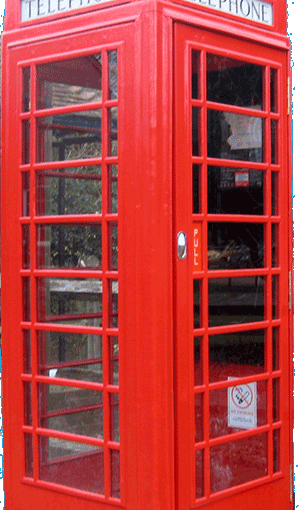
Westgate’s K6 Telephone Box
Did you know that the red telephone box on the corner of Parklands Road and Westgate is protected, and listed grade II? It was listed in July 1995 by Historic England, sixty years after it had been erected.
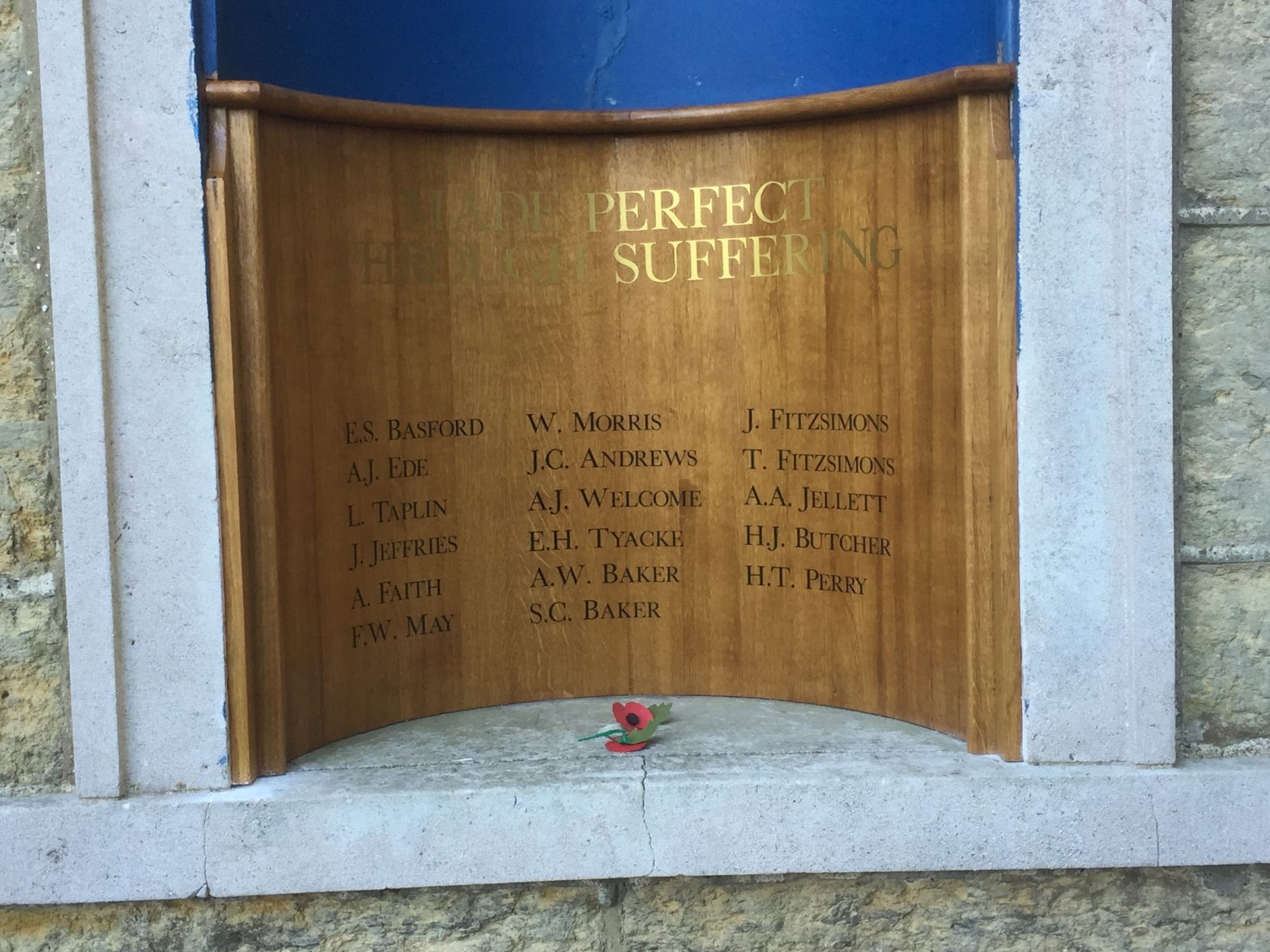
Hidden Westgate Histories 7: The Westgate War Memorial (updated)
I doubt that many people living on/by Westgate, or walking up and down the street, know that we have our very own War Memorial commemorating the Fallen of the Parish of St Bartholomew.
Continue reading Hidden Westgate Histories 7: The Westgate War Memorial (updated)
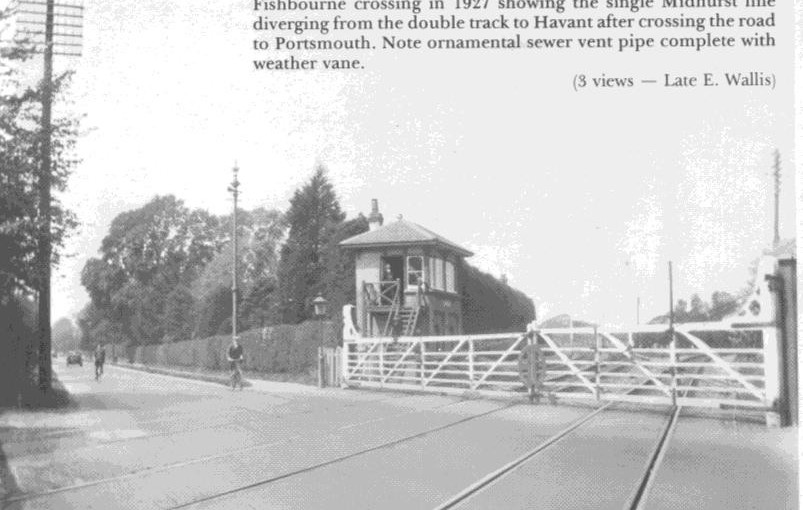
The Chichester and Midhurst Railway: Level Crossing
Article adapted from one originally researched and compiled by Paula Chatfield of Parklands RA for her excellent Easter Trail series and re-published here by permission.
Before the railway arrived (see 1813 map below), the Westgate/Fishbourne Road was the main road (for foot and horse traffic) between Chichester and Portsmouth.
Continue reading The Chichester and Midhurst Railway: Level Crossing
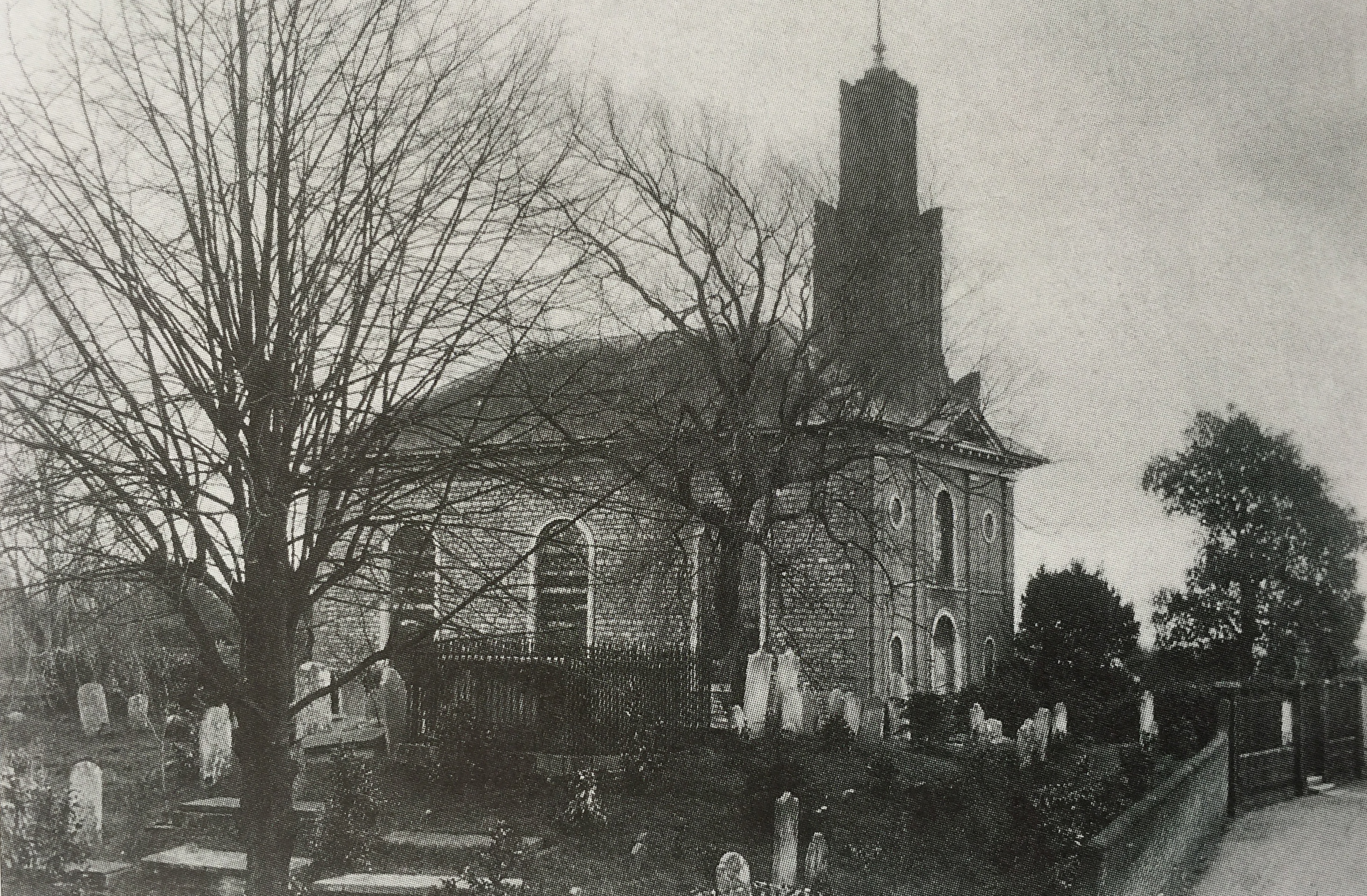
Chichester & St Bart’s: Walls, Gates and a Ditch
This text is about the suburb of St Bartholomew’s Without in the wider context of the development of the City of Chichester. It is drawn from an edited extract of a 1935 publication (details below). As such it has kept a centuries-old way of talking about Chichester where the city walls, gates, ditch and parishes defined our boundaries, untrammelled by the modern changes that not much more than five years later would come finally to disrupt the millennial harmonies of our cityscape.
Continue reading Chichester & St Bart’s: Walls, Gates and a Ditch
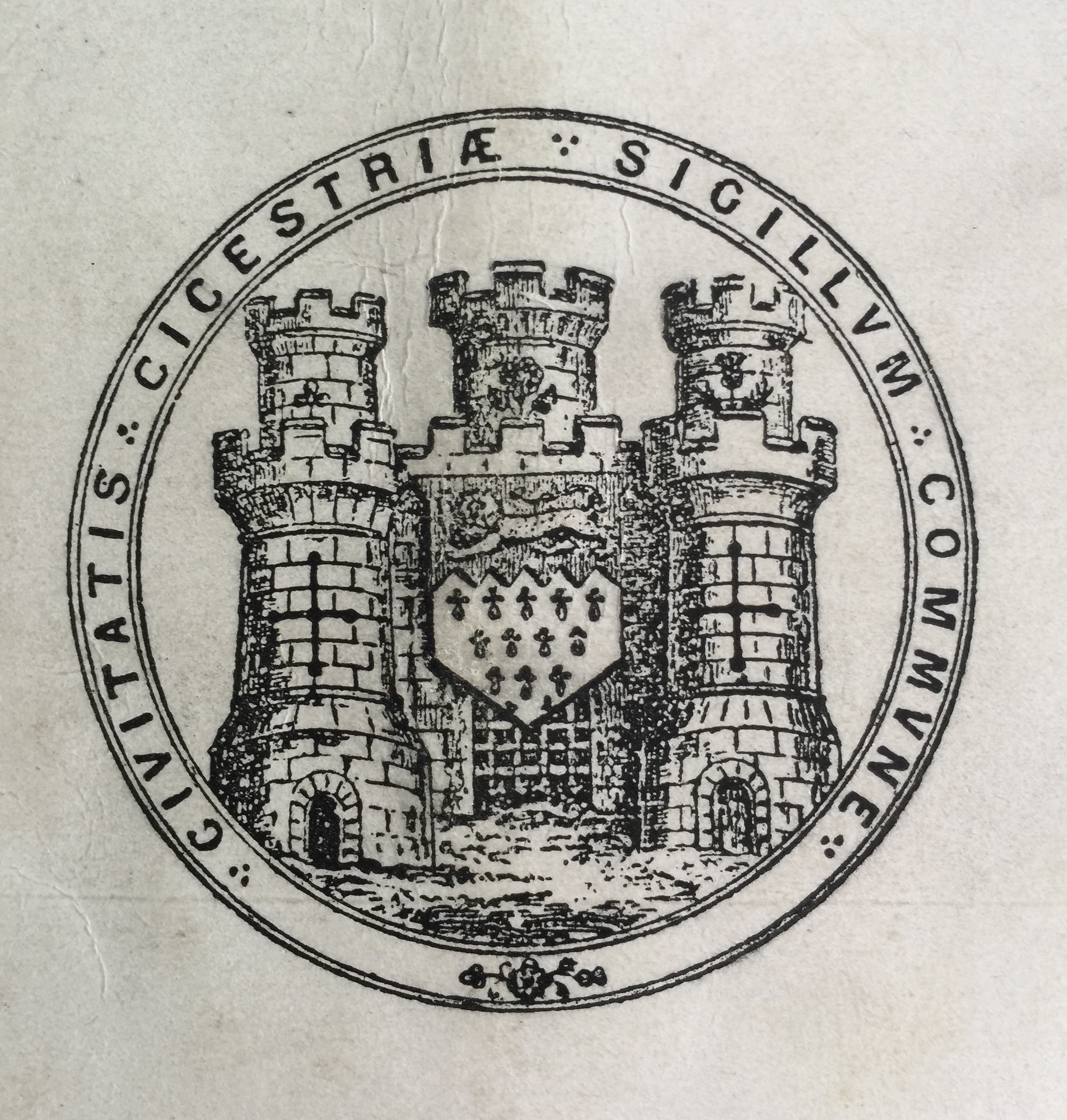
Chichester & St Bart’s: History of the Municipal Area
Prior to the Norman Conquest of 1066 the municipal area of Chichester is not known.
From the late 9th century, Alfred had founded his network of Saxon burhs. These lay at the centre of Alfred’s reformed military defence system and were distributed at strategic points throughout the kingdom. Many were former Roman towns, the largest of which was Winchester, where the stone walls were repaired and ditches added. Chichester was part of this scheme.
Continue reading Chichester & St Bart’s: History of the Municipal Area