History of 40 Westgate

Formerly number No 34 (1900-1950 numbering)

Known in recent memory as Deering’s sweet shop, this property was a shop well before censuses began in 1841. At that point it was a bakery, already being run by one George Hackett, aged 35, and who describes himself as a baker, a recognised trade of trained artisans. He was still there in the 1851 census: Hackett, George (55) now titled Master baker; and in 1861: Hackett, George (66) Master baker. Still working at age 66.

Continue reading History of 40 Westgate
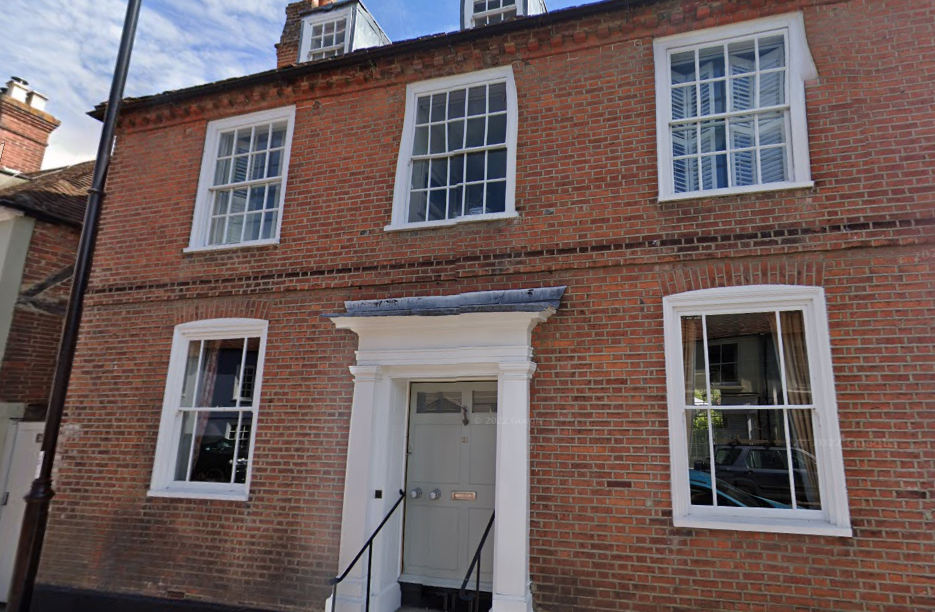
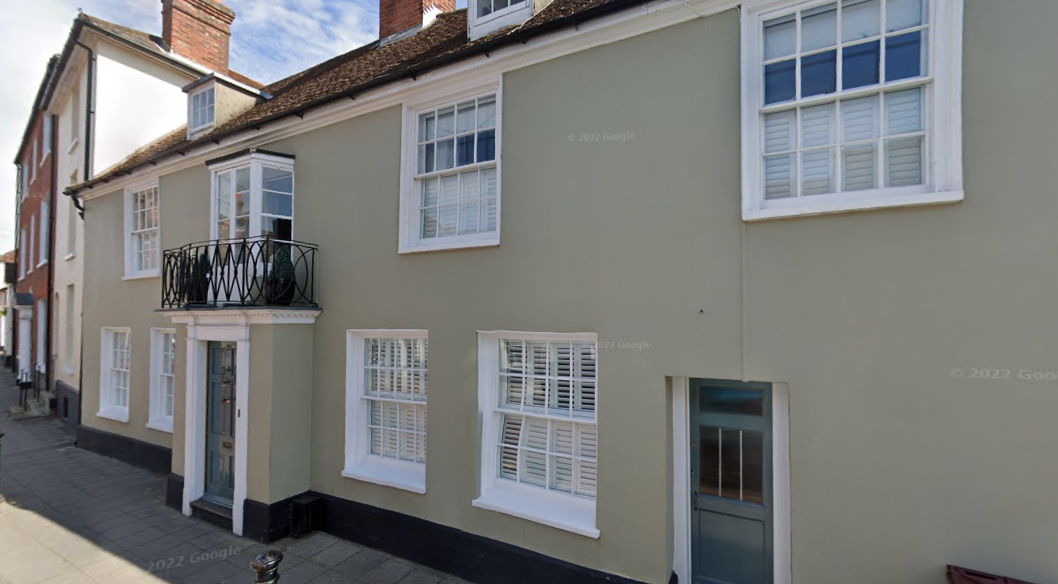
History of The Tannery (61-65 Westgate)

Residents

The Undershill family, who turned out to be tanners, are first recorded in the parish in 1526, when they acquire the share of a lease of 20 acres of land with a house. John Undershill is the earliest documented reference to tanning in St. Bartholomew’s when, in 1549, he witnesses the will of John Parker as a tanner.

Continue reading History of The Tannery (61-65 Westgate)

History of 39-59 Westgate

Known informally as the Tannery Cottages, nos. 39–59 Westgate form a neat row of 10 workman’s cottages.

Originally occupied by tannery workers, these were bought – probably after 1871 – by the Henty family and used for their brewery employees. No information has yet been found of their construction date.

Continue reading History of 39-59 Westgate

History of 23-25 Westgate

Along with no 25, no 23 is one of a pair of workman’s cottages

Roy Morgan writes:

“The house is recorded as far back as 1379 and is also mentioned in 1570. The pair of cottages are recorded in land tax records from 1780 and are shown on Gardner’s map of 1797”. 

No. 23 specifically occurs twice elsewhere in the story of this street: 

Continue reading History of 23-25 Westgate

History of 21 Westgate

The history of this property has been constructed by Dr Brownfield from the property’s voluminous Schedule of Deeds, by kind permission of the current owners.

For the uninitiated (like me), “Messuage” was a term that referred to a dwelling house along with its adjacent buildings and the land used in connection. A word from late 14c. Anglo-French, it is thought to be a clerical error for “mesnage” (compare modern Fr ménage which means “household”)

Continue reading History of 21 Westgate

History of 15 Westgate

Newly built in 1730, this site had already been occupied by a house, a woodhouse, and a slaughterhouse. A malthouse was added by 1775.

In 1841 James Gates, a Yeoman Farmer aged 65, was living here. In 1861 another James Gates aged 59, a retired butcher who had had a shop in East Street was here. Presumably he was the son of the previous owner. In 1871 he is recorded as an alderman aged 67. 

Continue reading History of 15 Westgate

History of 11 Westgate

Research by Clive Rogers (current owner). 

This house has an internal Tudor wall, but the timber framework within the roof void reveals that that this would originally have been external. The roof timbers at the southern end of the property appear to be a later addition during the “Georgification” of the street. A fireplace was installed in this room with a tall chimney stack, later demolished.

Continue reading History of 11 Westgate
error: Content is protected !!