History of 39-59 Westgate

Known informally as the Tannery Cottages, nos. 39–59 Westgate form a neat row of 10 workman’s cottages.

Originally occupied by tannery workers, these were bought – probably after 1871 – by the Henty family and used for their brewery employees. No information has yet been found of their construction date.
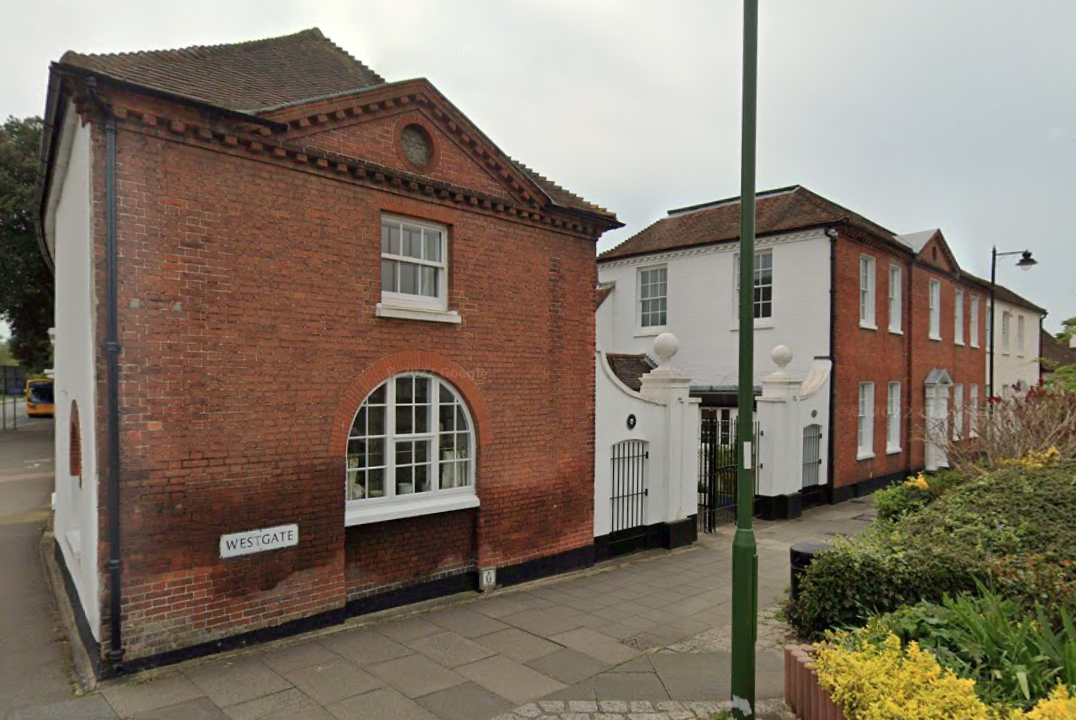
1-5 Westgate as The Theological College 

In 1936 the lease owned by the Church Commissioners for the buildings at the top of Westgate – which included the Coach House and stable yard as well as what is now no. 5 – were let to the Chichester Theological College. This whole block, renamed Marriot House, was used for accommodation with eighteen students and 2 members of staff. There were 20 bedrooms, 4 WCs and 4 bathrooms. The main building for the College was No. 52 Westgate. 

History of 64 Westgate

Built about 1935 and originally called ‘Pantiles’, this property is situated on one of several parcels of land between Salthill Road and Westgate which had originally belonged to the brewer, George Henty.

We have recorded elsewhere, that in 1780 the founder of the Brewery, William Humphrey (Snr), had bought land in Scuttery Fields (of which you may not know today’s Brewery Field remains a rump), to build some malthouses.

A Chichester History 

Chichester is the only city in Sussex and owes its existence entirely to the Romans. There is no evidence of any form of a major settlement in the area before their arrival. The local iron age people lived in farmsteads rather than towns, although they were organised and there is evidence of considerable trade with the Mediterranean before the Roman invasion. In A.D. 40 Verica was their leader in the early part of the first century but lost control and fled to Rome to ask for support.

Westgate Timeline

43CE The Roman Second Legion land at Fishbourne and set up camp on the site which will become the palace of Togidubnus, vassal king of the Regni. Later they march inland under the command of Vespasian, probably along the track which was to become Westgate. They set up a winter camp on the flat plain just before the first undulations of the South Downs. They fortify the camp with a ditch, and an earth and wooden wall. 

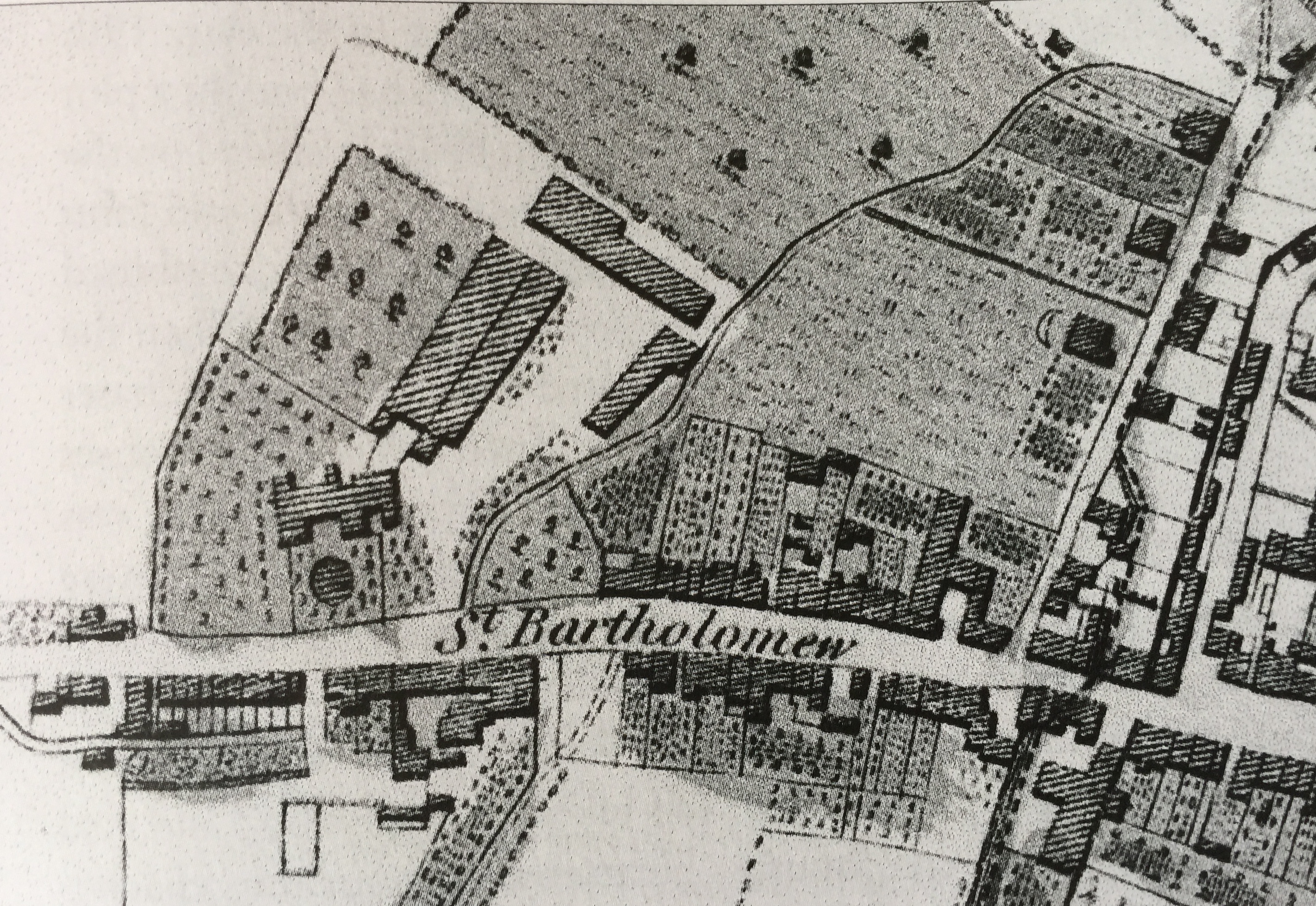
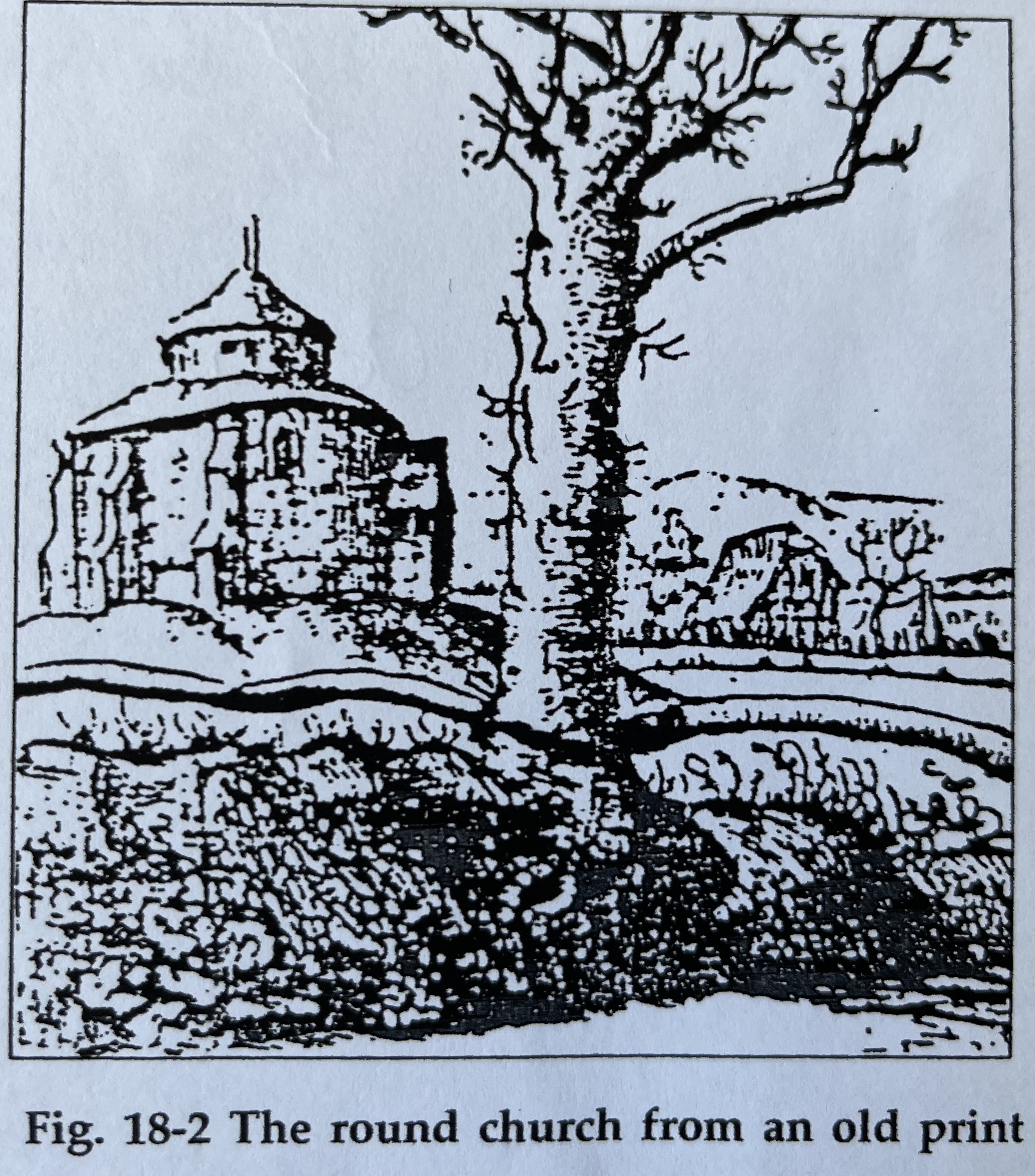
Hidden Westgate Histories 1: St Sepulchre Round Church

The current St Batholomew’s church in Mount Lane off Westgate is not the first church to have appeared on this site. The suburbs extra muros of St Pancras to the east and of St Sepulchre to the west date back to Roman times, both housing 3rd century cemeteries within their parishes, with the main one to the east (the Litton) in part where the modern Litten Gardens is on New Park Road. The remainder is under the New Park development and car park on the opposite (west) side of the road.

Hidden Westgate Histories 4: The Westgate Lavant

Most residents are familiar with our winterbourne, the River Lavant. Winterbourne because it is a seasonal stream that comes down from the Downs, filtered out of the chalk after the Winter rains.

Continue reading Hidden Westgate Histories 4: The Westgate Lavant

error: Content is protected !!